Ting Mighty Miracle: T-Shirt Graphics Review
As a graphic designer who spends most of my week balancing brand identity systems with quick-turnaround marketing visuals, I am always skeptical of new assets entering my workflow. We have all been there: downloading a digital product that looks stunning in the preview thumbnail but falls apart when you try to scale it for a large format print or adjust the nodes in Illustrator. Recently, I had the opportunity to review Ting Mighty Miracle for a potential client project involving a small faith-based boutique. My goal was to determine if this asset could hold up under the scrutiny of professional commercial design standards.
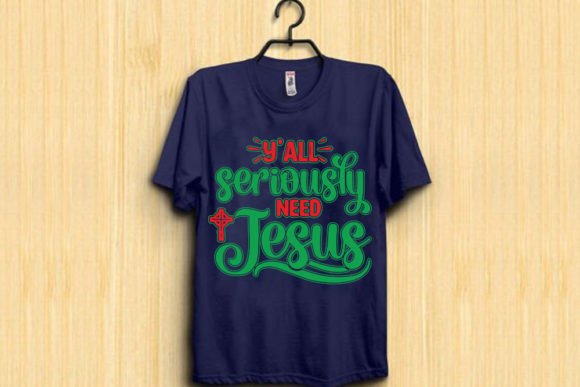
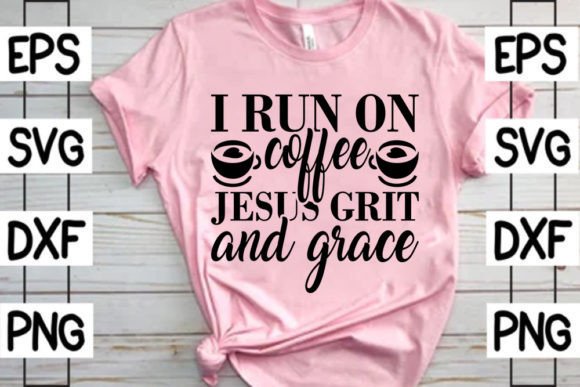
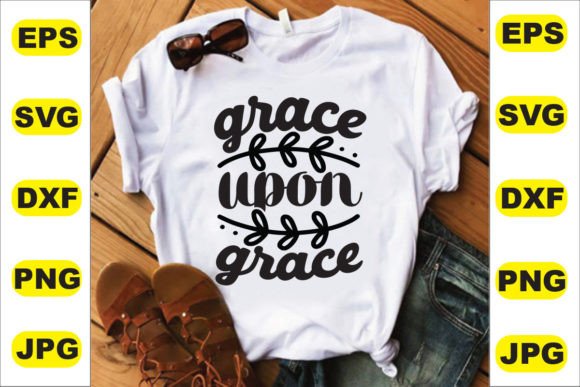
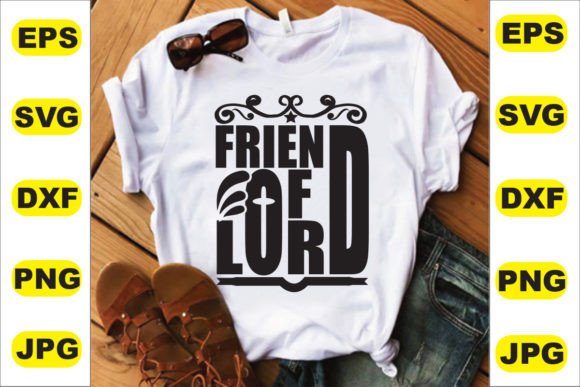
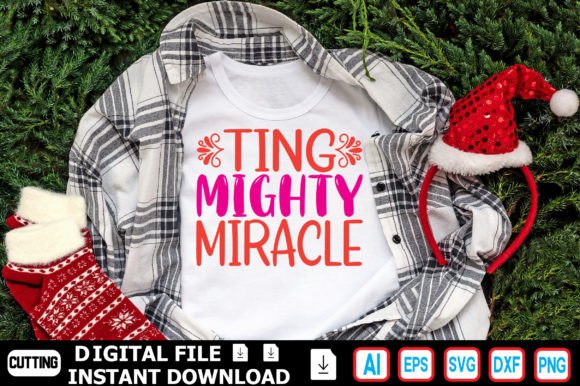
My first impression of Ting Mighty Miracle was defined by its bold, declarative energy. The visual mood is unmistakably uplifting and strong, fitting perfectly within the niche of inspirational Graphics. It does not try to be subtle; instead, it leans into a confident aesthetic that commands attention. For a designer, this is both a gift and a challenge. The style represents a modern approach to religious typography and iconography, moving away from overly ornate, traditional scripts toward something cleaner and more versatile. This makes it an excellent candidate for contemporary T-Shirt Designs, where readability and impact are paramount.
Integrating the Asset into Real Client Workflows
The true test of any graphic design asset is not how it looks in isolation, but how it performs in a real-world scenario. I imagined a specific case study: a local handmade business launching a seasonal campaign for Easter and spring renewals. The client needed a cohesive look across multiple touchpoints, from physical merchandise to digital ads. Ting Mighty Miracle proved to be surprisingly adaptable in this context.
For product mockups, the asset shines. I placed the design on several blank apparel items, including hoodies and tote bags. Because the lines are clean and the composition is balanced, it translates well to fabric. As a sublimation design, it retains its clarity without pixelation, provided you are using the vector files. For clients running an Etsy product line or a print-on-demand store, this reliability is non-negotiable. You cannot afford to have edges blur or details get lost in the printing process.
Beyond apparel, I tested the asset for packaging design. Imagine a sticker seal on a candle jar or a thank-you card included in a shipment. The Ting Mighty Miracle design works effectively as a decorative accent here. It adds a layer of emotional appeal and brand consistency without overwhelming the primary logo. However, I would advise using it carefully in crowded layouts. If your brand identity already relies on complex patterns or heavy textures, adding this bold graphic might disrupt the visual hierarchy. It works best when given breathing room, allowing the message to stand out against negative space.
Technical Performance and File Versatility
From a technical standpoint, the file package provided with Ting Mighty Miracle is robust. For professional designers, the inclusion of an AI file and an EPS vector file is crucial. These formats allow for infinite scalability and easy editing. I was able to adjust the kerning slightly to better fit a specific circular badge layout for a sticker design. The SVG file is equally important, particularly for those utilizing cutting machines. If you are targeting the crafting community, this asset is ready for immediate use as a Cricut project or Silhouette cut file.
The PNG file, offered at 300 dpi with a transparent background, is suitable for quick drag-and-drop applications. I tested this in Canva to see how it would function for users who are not proficient in Adobe Creative Cloud. It performed well for creating social media graphics, such as Instagram posts or Pinterest pins. However, I always recommend designers inspect the transparency edges. In this case, the anti-aliasing was smooth, meaning it blends nicely onto colored backgrounds without a harsh white halo. This is a small detail that significantly impacts the perceived professionalism of a creative design.
When comparing Ting Mighty Miracle to other styles, it sits comfortably between a display font and an illustration. It is not as rigid as a standard sans serif, nor as delicate as a handwritten script. This middle ground makes it versatile for marketing visuals that need to feel approachable yet authoritative. It pairs surprisingly well with clean, minimalist sans serif fonts for supporting text, creating a nice contrast between the decorative main element and the informational subtext.
Strategic Considerations for Designers
While Ting Mighty Miracle is a strong contender for many projects, it is not a one-size-fits-all solution. There are specific contexts where this asset should be used with caution. For instance, in corporate web design or formal editorial design, the playful and bold nature of the graphic might clash with a serious tone. It is best suited for lifestyle brands, community events, faith-based organizations, and creative marketplaces where personality is valued over strict minimalism.
Readability is another factor. At very small sizes, such as a favicon or a tiny footer icon, the intricate details may become muddy. I recommend testing the asset at various scales before finalizing a layout. For small business branding, ensure that the graphic does not compete with the primary logotype. It should serve as a supporting element, perhaps on secondary materials like business cards, flyers, or invitations, rather than replacing the core brand mark.
Furthermore, always verify the licensing terms. While this is marketed as a design bundle suitable for commercial use, responsible designers must confirm the specific rights regarding redistribution. You can use it to create end products like t-shirts or mugs, but you typically cannot resell the raw SVG or AI files themselves. Understanding these boundaries protects both you and your client from legal issues down the line.
Final Verdict on Visual Impact
In conclusion, Ting Mighty Miracle is a valuable addition to a designer’s toolkit, particularly for those working with faith-based or inspirational themes. Its strength lies in its versatility across different mediums, from printable design wall art to digital Canva template elements. The mood it creates is one of hope and strength, which resonates deeply with target audiences in this niche.
For brand owners and marketers, this asset offers a quick way to elevate the visual quality of their campaigns without hiring a custom illustrator. For crafters and digital sellers, it provides a high-quality base for creating unique clipart collections or themed bundles. The key to success with Ting Mighty Miracle is context. Use it where boldness is appreciated, give it space to breathe, and leverage the vector files for maximum flexibility. When applied with thoughtful design judgment, it enhances the overall impression of a project, contributing to a polished, professional, and emotionally engaging final result.