Reviewing I Can Do All Things Through for Embroidery
As a designer who has spent years digitizing and reviewing files for real-world application, I approach every new asset with a critical eye. It is not enough for a design to look good on a screen; it must translate beautifully into thread. When I first opened the file for I Can Do All Things Through, my immediate impression was one of balanced confidence. This is not just another generic faith quote. It is a piece of typography that carries weight, both visually and emotionally. For those of us in the craft business, finding a design that resonates with customers while remaining technically sound for stitching is a rare win.
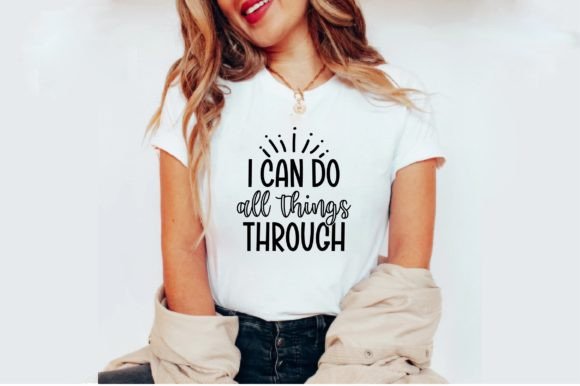
The visual personality of this piece is clean yet bold. The layout suggests a modern sans-serif influence, which is crucial for embroidery. Overly decorative scripts often turn into messy blobs of thread when scaled down, but this design maintains its integrity. The mood it creates is uplifting without being preachy, making it versatile for a wide range of clients. Whether you are an Etsy seller looking to expand your spiritual niche or a hobbyist making gifts for friends, the aesthetic fits seamlessly into contemporary handmade trends.
Real-World Application: The Custom Sweatshirt Test
To truly evaluate a design, you have to imagine it on fabric. I recently worked on a project for a local boutique that needed a line of comfortable, high-quality sweatshirts for their fall collection. They wanted something that spoke to resilience and hope. I Can Do All Things Through was the perfect candidate. I envisioned it centered on the chest, sized at approximately four inches wide. On a heather grey fleece, the design would pop if stitched in a crisp white or a deep navy thread.
The beauty of this specific typography lies in its spacing. In embroidery, negative space is just as important as the stitch itself. If letters are too close, the fabric puckers. If they are too far apart, the message loses cohesion. This design strikes a natural balance. When stitched as a satin stitch for smaller elements or a fill stitch for larger letters, it retains clarity. For a sweatshirt, which has a textured surface, the bold lines of this design ensure the message remains legible even from a distance. It transforms a basic garment into a statement piece, adding significant perceived value to the finished product.
Versatility Across Products and Fabrics
Beyond apparel, this design shines in home decor and accessories. Consider a heavy canvas tote bag. A tote bag design needs to be durable and visually striking. Stitching this phrase onto a natural cotton canvas using earthy thread colors like olive green or terracotta creates a rustic, artisanal feel. It appeals to buyers who want their accessories to reflect their values subtly.
For smaller items, such as a personalized gift for a graduation or a new job, the design works well on a cap or a structured hat. However, this requires careful planning. Curved surfaces distort designs, so you must adjust the pull compensation in your digitizing software if you are modifying the file. If you are using the provided formats, always test on a scrap piece of similar fabric first. The design also translates beautifully to kitchen towels or aprons, adding a touch of warmth to functional items. For baby embroidery, you might scale it down significantly for a onesie, but ensure the text remains large enough to be read clearly, avoiding tiny details that could unravel with frequent washing.
Technical Considerations for Stitching Success
While the design is robust, successful execution depends on your technical setup. One of the first things I check is the stitch density. Since this is a typography-based design, it likely relies on solid fills. On stretchy fabrics like jersey knits, high density can cause tunneling or puckering. Using a cut-away stabilizer is non-negotiable here to support the fabric during and after stitching. For woven fabrics like denim or canvas, a tear-away stabilizer might suffice, but I always recommend testing.
Thread color contrast is another critical factor. This design relies on the shape of the letters. If you choose a thread color that is too similar to your fabric, the message will vanish. I suggest using a high-contrast combination for maximum impact. For example, white thread on black fabric or gold thread on navy blue. Before committing to a final piece, create a printable mockup or stitch out a sample on scrap fabric. This allows you to inspect small details and confirm that the corners of the letters are sharp and not pulling inward.
It is also important to note the file types included. The description mentions PNG, EPS, SVG, and DXF. For machine embroidery, you will typically need to convert these vector or image files into a machine-specific format like PES or DST using your digitizing software, unless a native embroidery file is also provided. Always verify the license terms. As a craft business owner, you need to know if you can sell items made with this design commercially. Most designers allow physical sales but restrict the resale of the digital file itself. Clarify this before listing your small shop product online.
Enhancing Brand Value and Customer Trust
Using high-quality design assets like I Can Do All Things Through directly impacts your brand perception. Customers can tell the difference between a poorly digitized, messy embroidery and a clean, professional finish. When your finished product looks polished, it builds trust. It tells the buyer that you care about quality. This is especially important for Etsy sellers and independent makers who compete in a crowded marketplace. A strong, clear message on a well-made item encourages repeat business and positive reviews.
Moreover, faith-based designs have a loyal audience. By offering a design that is both aesthetically pleasing and meaningful, you tap into a market that values authenticity. Whether it is for holiday embroidery gifts or everyday wear, this design serves as a conversation starter. It adds emotional value to the physical item, making it more than just clothing or decor. It becomes a keepsake.
Final Thoughts for the Creative Entrepreneur
In conclusion, I Can Do All Things Through is a strong addition to any designer’s library. It is versatile, emotionally resonant, and technically manageable for most intermediate to advanced embroiderers. It works exceptionally well on custom apparel like sweatshirts and tees, as well as on home goods like pillows and towels. Remember to respect the material limits of your fabric, use appropriate stabilizers, and always test before production. By treating this design with the care it deserves, you can create products that not only look beautiful but also inspire those who receive them. For any creative entrepreneur looking to add depth to their design assets, this piece is worth considering.